
Best Dog Training Tips, Tricks & Commands
“Training a dog is like building a bridge of understanding between two different species. It requires patience, communication, and mutual respect.”
Dog Training with Special Needs and Behaviour
There is basic need to train the dog about Basic Obedience, Positive reinforcement, Consistency, Patience, Socialization, Leash Training, House training, Behaviour Modification, Clicker Training, Professional Training, Exercise & Mental Stimulation, Safety Training and Advance training. In Defence Forces, dogs are being trained with every tricks and behaviour so that they may work more efficiently.

“Dog training is not about making your dog perfect. It’s about making your dog a better fit for your lifestyle.”

Dog Training for Obedience, Commands and Actions
Dog training for obedience, commands, and actions is a vital aspect of responsible pet ownership. It involves teaching dogs essential commands like sit, stay, and come, which not only ensure their safety but also enhance their communication with humans. Beyond obedience, training can encompass actions such as retrieving, agility, or even tricks, stimulating a dog’s mental and physical faculties while strengthening the bond between owner and pet.
Food & Health in Training Dog
A balanced diet provides the necessary energy and nutrients for optimal physical condition and mental alertness, which are crucial for effective learning and obedience. By feeding your dog high-quality, nutritious food, you can support their immune system, maintain a healthy weight, and ensure their muscles and joints are in top shape.
Dog Games and Exercises
Engaging in dog games and exercises is not just about fun; it’s a key component of responsible pet ownership. From fetch and tug-of-war to agility courses and hide-and-seek, these games not only provide a great bonding opportunity but also help in maintaining your dog’s weight and muscle tone.
Exercise stimulates mental alertness, reducing the risk of behavioral problems. To keep your pup active, consider incorporating daily walks, playtime, and puzzle toys into their routine. Remember, a well-exercised dog is a contented one, and these activities contribute to their overall well-being, ensuring a long and vibrant companionship.

Best Toys & Geer of Dogs
Selecting the best toys and gear for dog training is essential to enhance the learning experience. Toys like treat-dispensing puzzle balls and interactive training aids can make sessions engaging and rewarding. Durable, non-toxic chew toys help redirect their energy positively. Collars, harnesses, and leashes designed for comfort and control are fundamental for leash training. Clickers, often used in clicker training, are effective communication tools.
Additionally, agility equipment such as hurdles or tunnels can elevate training to the next level. These thoughtfully chosen toys and gear not only facilitate effective training but also ensure your dog’s safety and enjoyment during the process. Puppy has different ways of training.
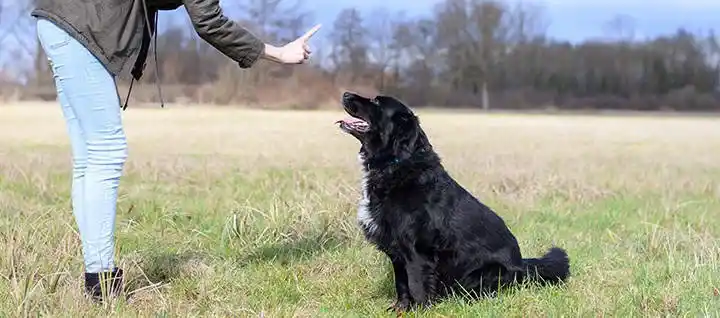
How to Train Your Dog to Sit?

Best Training of a Dog to Stop Barking

Train Your Dog to be Alone

Train Your Dog To Fetch
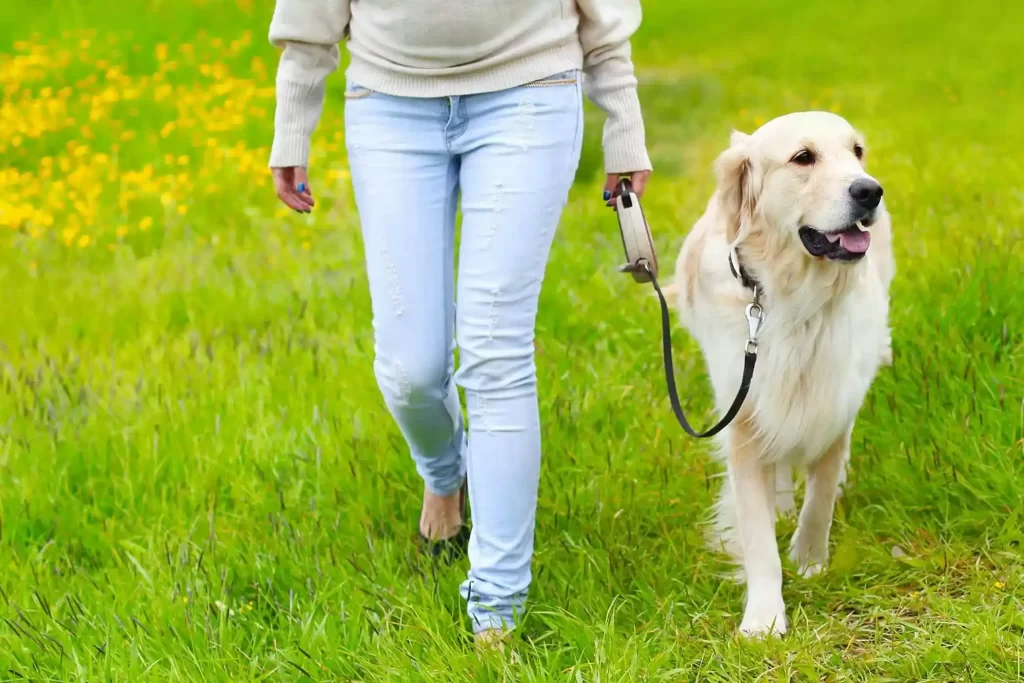
Train Your Dog to Heel

Train Your Dog to Walk on Leash
FAQs
1. What is the best age to start training a dog?
Ans: The best time to start training is during the puppy stage, around 8 to 12 weeks old. However, dogs of any age can learn new behaviors with patience and consistency.
2. How long does it take to train a dog?
Ans: Training duration varies depending on the dog’s breed, age, and the complexity of the behavior. Basic obedience can take a few weeks, while advanced training may require months of practice.
3. What is positive reinforcement in dog training?
Ans: Positive reinforcement involves rewarding desired behaviors with treats, praise, or playtime. This method encourages dogs to repeat good behavior without fear or punishment.
4. How do I stop my dog from barking excessively?
Ans: Identify the cause of barking (e.g., boredom, fear, or attention-seeking) and address it. Use commands like “quiet” and reward calm behavior. Consistent training and mental stimulation can help reduce excessive barking.
5. Can I train my dog myself, or should I hire a professional?
Ans: Many owners successfully train their dogs at home using online resources or books. However, hiring a professional trainer can be helpful for specific issues like aggression or advanced training needs.
6. How do I potty train my puppy?
Ans: Establish a consistent routine for feeding and bathroom breaks. Take your puppy outside frequently, especially after meals or naps, and reward them immediately after they eliminate in the correct spot.
7. What should I do if my dog doesn’t respond to training?
Ans: Reevaluate your training methods and ensure consistency. Some dogs may need shorter sessions, higher-value rewards, or a slower pace. Patience and persistence are key.
8. Is crate training beneficial for dogs?
Ans: Yes, crate training provides a safe space for your dog and aids in housebreaking. When done correctly, it helps reduce anxiety and prevents destructive behavior when you’re not home.
9. How do I teach my dog to walk on a leash without pulling?
Ans: Use a no-pull harness or front-clip leash and stop walking whenever your dog pulls. Reward them for walking beside you with a loose leash. Consistency and patience are essential.
10. Can older dogs learn new tricks?
Absolutely! Older dogs can learn new behaviors and commands. While they may take longer to adapt, they often have better focus and patience than younger dogs.
11. How do I stop my dog from chewing on furniture?
Ans: Provide plenty of chew toys and redirect your dog’s attention to them. Use deterrent sprays on furniture and supervise your dog closely until they learn appropriate chewing habits.
12. What’s the best way to socialize a dog?
Ans: Expose your dog to various people, animals, and environments in a controlled and positive manner. Start early and ensure all interactions are safe and rewarding to build confidence.
13. How do I train my dog to come when called?
Ans: Start in a distraction-free area and use a consistent command like “come.” Reward your dog generously when they respond. Gradually increase the distance and distractions as they improve.
14. What are the most important commands to teach a dog?
Ans: The essential commands are “sit,” “stay,” “come,” “heel,” and “leave it.” These basics improve communication, safety, and control in everyday situations.
15. How do I handle a dog with separation anxiety?
Ans: Gradually acclimate your dog to being alone by starting with short absences and increasing the duration. Provide toys, treats, and a comfortable space to reduce stress. In severe cases, consult a professional.
Military Intelligence Test Preparation Hub
Advance your career in the Pakistan Military Forces. Access free past papers, PDF notes, and premium Verbal/Non-Verbal quizzes designed for Army, Navy, and PAF initial test success.
Army Navy PAF & Cadet College Resources
Comprehensive preparation for Pakistan Military entry. Download free E-books, past PDFs, and attempt online quizzes for Cadet College and initial force exams.