Best Dog Training Tips, Tricks & Commands
“Training a dog is like building a bridge of understanding between two different species. It requires patience, communication, and mutual respect.”
Dog Training with Special Needs and Behaviour
There is basic need to train the dog about Basic Obedience, Positive reinforcement, Consistency, Patience, Socialization, Leash Training, House training, Behaviour Modification, Clicker Training, Professional Training, Exercise & Mental Stimulation, Safety Training and Advance training. In Defence Forces, dogs are being trained with every tricks and behaviour so that they may work more efficiently.

“Dog training is not about making your dog perfect. It’s about making your dog a better fit for your lifestyle.”

Dog Training for Obedience, Commands and Actions
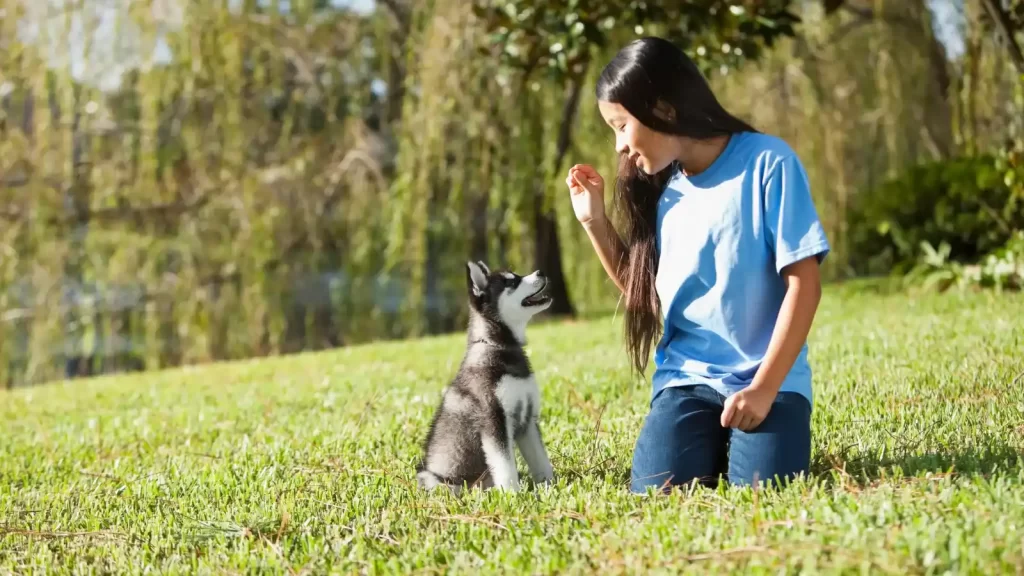
Dog training for obedience, commands, and actions is a vital aspect of responsible pet ownership. It involves teaching dogs essential commands like sit, stay, and come, which not only ensure their safety but also enhance their communication with humans. Beyond obedience, training can encompass actions such as retrieving, agility, or even tricks, stimulating a dog’s mental and physical faculties while strengthening the bond between owner and pet.
Food & Health in Training Dog
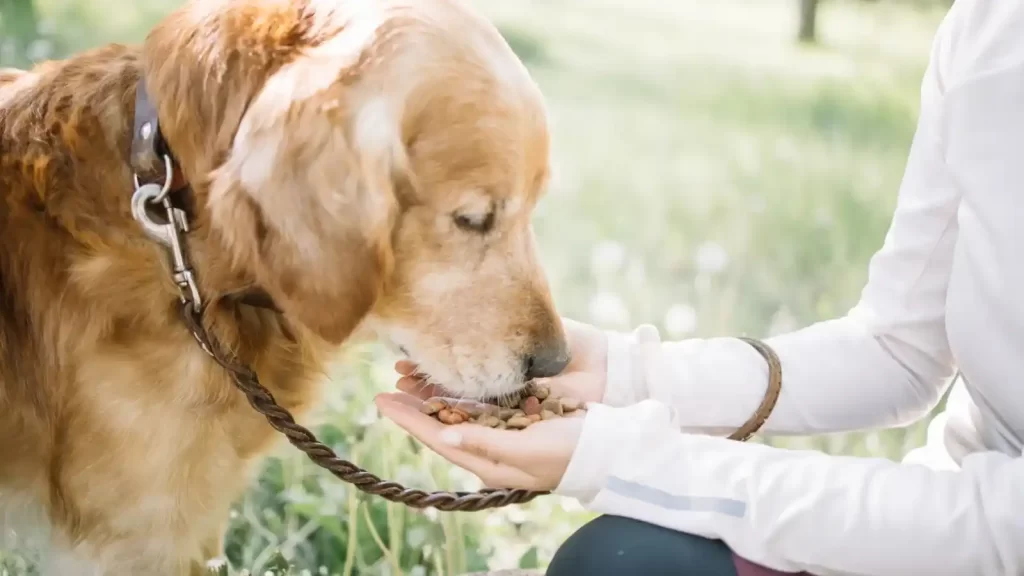
A balanced diet provides the necessary energy and nutrients for optimal physical condition and mental alertness, which are crucial for effective learning and obedience. By feeding your dog high-quality, nutritious food, you can support their immune system, maintain a healthy weight, and ensure their muscles and joints are in top shape.
Dog Games and Exercises
Engaging in dog games and exercises is not just about fun; it’s a key component of responsible pet ownership. From fetch and tug-of-war to agility courses and hide-and-seek, these games not only provide a great bonding opportunity but also help in maintaining your dog’s weight and muscle tone.
Exercise stimulates mental alertness, reducing the risk of behavioral problems. To keep your pup active, consider incorporating daily walks, playtime, and puzzle toys into their routine. Remember, a well-exercised dog is a contented one, and these activities contribute to their overall well-being, ensuring a long and vibrant companionship.

Best Toys & Geer of Dogs
Selecting the best toys and gear for dog training is essential to enhance the learning experience. Toys like treat-dispensing puzzle balls and interactive training aids can make sessions engaging and rewarding. Durable, non-toxic chew toys help redirect their energy positively. Collars, harnesses, and leashes designed for comfort and control are fundamental for leash training. Clickers, often used in clicker training, are effective communication tools.
Additionally, agility equipment such as hurdles or tunnels can elevate training to the next level. These thoughtfully chosen toys and gear not only facilitate effective training but also ensure your dog’s safety and enjoyment during the process. Puppy has different ways of training.
Expert Guide To Effective Dog Training And Canine Behavior Modification
Early socialization and structured dog training should ideally commence as soon as a puppy enters your home around eight weeks of age. Implementing consistent positive reinforcement techniques during this critical developmental window ensures long-term behavioral stability and rapid command retention.
Professional dog training experts recommend reward-based loose-leash walking drills combined with high-value treats to discourage pulling. Rewarding the animal for maintaining attention beside you transforms daily walks into disciplined, enjoyable experiences.
Successful dog training protocols for destructive chewing involve redirecting the pet toward approved interactive chew toys and supervising free-roaming time. Consistent boundary setting prevents household items from becoming default chew targets.
Advanced dog training regimens utilize desensitization and place-command conditioning to manage door-related reactivity. Teaching the pet to go to a designated mat when guests arrive redirects vocal tendencies into calm stationary behavior.
Modern dog training incorporates crate acclimation to leverage a pet’s natural instinct to keep their sleeping den clean, drastically accelerating indoor potty education and preventing unsupervised nighttime accidents.
Specialized dog training addressing separation anxiety requires incremental departures paired with puzzle feeders and independent quiet time. Gradual exposure desensitizes the animal to departure cues without triggering panic responses.
Structured dog training in multi-dog environments establishes separate feeding stations, controlled exchange games, and counter-conditioning exercises to eliminate possessive aggression and food anxiety.
Behavioral dog training utilizes controlled environmental exposure at safe distances, allowing nervous animals to observe triggers without flooding their nervous systems, thereby fostering calm confidence.
Comprehensive dog training routines integrate scent games, puzzle toys, and obedience skill practice alongside regular walks. Mental challenges tire working breeds effectively, reducing boredom-driven undesirable behaviors at home.