Importance of Dog Training Tips for Beginners
For the sake of their safety and sociability, your new puppy must be taught, but it can be difficult to know where to start. Fortunately, you may get some guidance from these useful dog training ideas for beginners. These pointers will help you create a training schedule for your dog and teach them basic instructions, which will improve their behavior and safeguard their welfare.
Because food is a very powerful tool in training, it’s critical to prepare a supply of premium dog treats or kibble in advance of your training sessions so you may reward your pet before you begin.
Top Dog K9 Training offers Robust Solutions to Meet Your Dog Training Needs. putting a focus on effective communication, leadership, and relationships. The top 10 best dog trainers have received extraordinary acclaim on a global scale for their outstanding abilities and knowledge in dog training.
Dog Training Tips for Beginners
Here are some dog training tips for beginners:
1. Create a schedule for training and keep sessions short.
When teaching your dog, consistency is essential. Plan a timetable that works for both you and your pet, with brief training sessions lasting no more than five minutes. You can protect your dog from becoming overwhelmed or losing interest by keeping the sessions focused and short.
Next Level Dog Training provides customized programs made to meet the individual requirements and objectives of every dog and their owner.
Dog training for beginners is an exciting journey that allows novice dog owners to establish a strong bond and effective communication with their furry companions.
2. Learn the Basic Commands and Restrict the Use of Cue Words
Learn the fundamental instructions, remain, come, lie down, and sit, before starting your dog’s training adventure. Make sure you just use the cue word once and stick to a consistent word choice. If you give the order too often, your dog may get confused and less receptive.
Adaptive Dog Training is a specialist strategy that adjusts training techniques to meet the particular requirements and capabilities of every dog.
The 4 types of dog training consist of specific task training, agility training, behavior modification training, and obedience training. When starting dog training as a beginner, it’s important to focus on building a foundation of basic obedience commands such as sit, stay, and come.
a. Teaching Your Dog to Sit
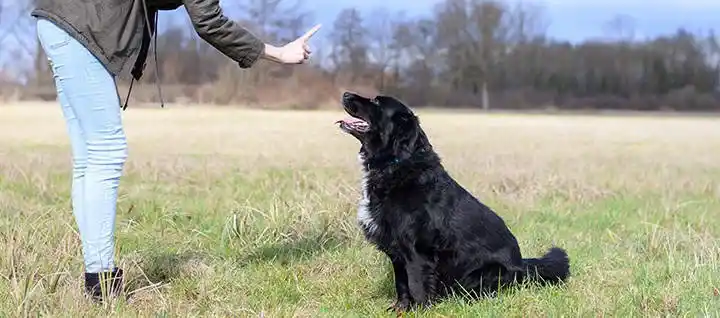
Hold a reward just over your dog’s nose and slowly bring it back toward their tail while saying, “Sit,” to teach them to sit. Your dog should sit down on its own will as they follow the treat with its gaze. Give them the goodie right away and give them praise. Continue doing this until your dog regularly obeys the order.
Dog training facts emphasize how crucial it is to modify training techniques to fit the unique personalities and learning preferences of each dog.
b. Teaching Your Dog to Stay
Next, move backward and indicate with your hands or by saying “stay”. Give your dog a treat of dry dog food and some praise if they stay put. While keeping eye contact, gradually extend your dog’s distance from you. Continue doing this practice until your dog obeys commands and stays still.
Exclusive Dog Training goes above and beyond simple compliance by emphasizing sophisticated abilities, unique assignments, and top-tier performance.
3. Train Your Dog to Come When Called
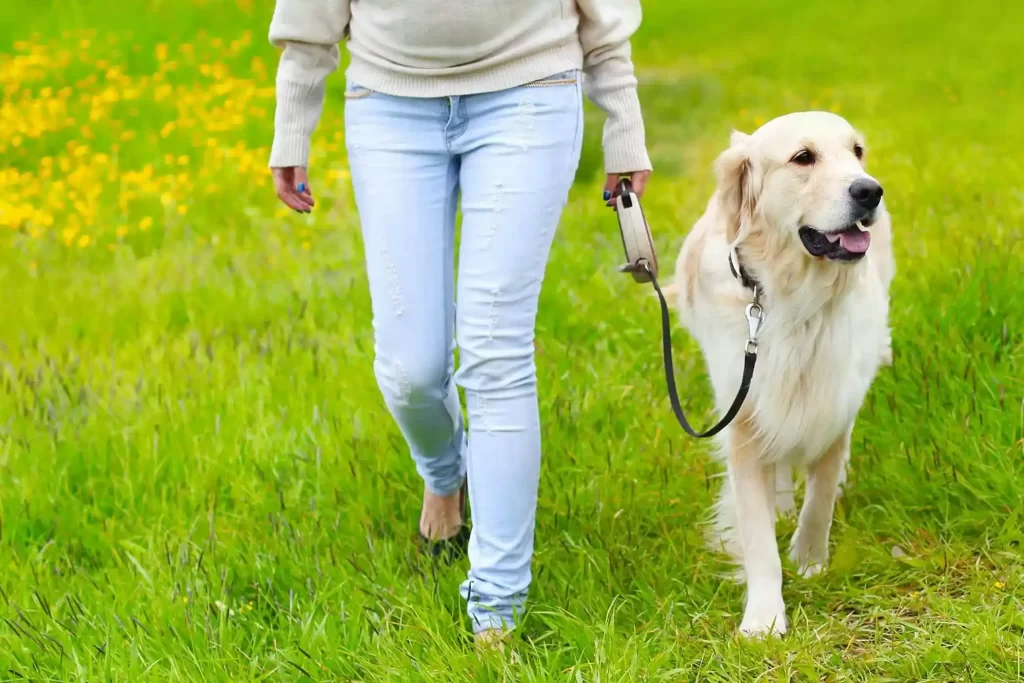
It’s essential for your dog’s protection that they learn to come when called. Start by letting them explore while on a long leash. Next, give them a call and give them the order “come.” As they come up to you, give them praise and give them a healthy wet dog food treat. To encourage the behavior, gradually extend the distance and introduce outside distractions.
Tree Frog Dog Training is a distinct and specialized training method that emphasizes teaching dogs how to do obedience and agility activities that are modeled after the quickness of tree frogs.
4. How to Train Your Dog to Lay Down
Your dog should begin by sitting down. Next, while lowering a treat to the ground gradually, raise your hand and say “down.” Your dog should lay down and follow the reward. Give them a treat and some praise after they’re in the proper position. Continue until your dog regularly drops to the ground when asked to.
With nomadic dog training dogs learn to be flexible, resilient, and adaptable, making them well-suited for a nomadic or travel-oriented lifestyle.
Consistency is key in dog training for beginners. Establish a regular training schedule and practice commands consistently to help your dog learn and retain the information.
5. Use Little Treats and Positive Reinforcement
Giving your dog food as a training aid is a very successful way to instill good behavior in them. Give your dog modest, healthful treats, such as prepared dog food, as a reward when they accomplish the desired behavior. This is known as positive reinforcement. By doing this, you may increase the probability that your dog will repeat the behavior by helping them link the command with the reward.
Dog spring training is a program that runs in the spring that helps canines get ready for the energetic and colorful season. Patience is a virtue in dog training for beginners. Dogs may not grasp commands immediately, so it’s important to remain patient and provide clear, gentle guidance.
6. Select Training Sessions Without Distractions
Select a peaceful, comfortable setting for training sessions so that your dog can focus on the work at hand. This configuration improves your dog’s capacity to pick up and remember new commands. Don’t try to train your dog, for example, shortly before you leave for work or while you’re preparing supper. Choose a time when you can give your pet your whole focus instead, and cut down on outside distractions like TV, guests, and food.
Advanced canine techniques are innovative training techniques that go beyond the parameters of conventional dog training. “100 Commands to Teach Your Dog” is a thorough manual that offers a variety of instructions to help dog owners improve the obedience and training of their animal companion.
Socialization is a vital aspect of dog training for beginners. Expose your dog to various environments, people, and other animals to promote confidence and good behavior.
7. Schedule Workouts before Meals
Plan your dog’s training sessions to take place before their usual lunch to encourage successful training. Food is a common source of motivation for dogs, so if you regularly teach your dog before feeding them, they will learn that finishing the activity will result in a food reward.
For instance, if you usually feed your dog supper at 5 p.m., have a quick training session at around 4:50 p.m. for five to ten minutes. Before you give them their breakfast, you may also include a few training activities if you are available in the mornings. A dog training schedule consists of several quick training sessions spread out throughout the day, as dogs need frequent pauses to maintain their short attention spans.
Obedience trained dogs are delightful to have as friends as they are well-mannered and obedient to orders.
Advancement via Training Stages
Gradually approaching a behavior can be helpful, particularly when addressing more complex behaviors such as “stay” or behavior modification targeted at breaking bad habits.
Think about dissecting actions into more manageable parts. For example, while teaching your dog the order “come,” give them praise and treats even for the first few steps they take in your direction. It’s easy to add more stages and go toward the whole action once your dog starts to get the idea. Long lines or training leads are valuable dog training tools for teaching recall and off-leash training in a controlled and safe manner.
Training products for dogs provide a variety of instruments and supports to help with training and improve learning results.
Ensure it’s an Enjoyable Experience
You and your dog should both enjoy training sessions! To keep things lively, provide variation and maintain a pleasant vibe. To make it more interesting, think about adding quick playtimes in between repeats.
You may want to consider teaching your dog some entertaining tricks in addition to consistent obedience training. When dogs execute tricks, instead of just sitting, such as rolling over, humans usually react more enthusiastically. Our dogs take note of this excitement and grow to adore tricks, which adds to the fun of training sessions for you both!
Green dog training is a specialist method of dog training that places an emphasis on sustainable and eco-friendly methods. “Dog Training For Dummies” is a well-known book that offers dog owners a thorough how-to manual for successfully training their animals.
Integrate Training into Your Daily Routine
It’s easier to handle several quick sessions if you integrate training into your regular encounters with your pet. You might, for example, train your dog to wait for you to offer them supper, go for a walk, or start playing before you ask them to sit or obey a command. Training may be easily included in these routine tasks to provide opportunities for reinforcement of desirable behaviors on a regular basis.
Dog training stages usually start with the foundational stage, during which dogs pick up fundamental cues and actions like sit, stay, and come.
Include Hand Signals in Your Instruction
Dogs are not as good at understanding language as humans are, but they are still able to recognize hand gestures. Certain dogs could react more favorably to hand gestures than to spoken orders. During training, think about mixing vocal orders with hand signals, or begin with just hand signals and add voice commands one at a time. By using this method, you may improve your dog’s comprehension of your expectations and create a clear line of communication.
A well-designed dog training curriculum guarantees that trainers and dogs have specific targets to strive toward, forming a successful road map.
Consult a Dog Trainer for Advice or Sign Up for Training Classes
It’s wise to get help from a qualified dog trainer or think about signing up for a training session if you run into difficulties when training your dog. Seeking advice from a seasoned trainer is frequently the most effective approach to attain the intended outcomes. These experts have a wealth of information and experience that may be very beneficial to you and your dog. Trainers have years of expertise dealing with all kinds of challenges, so they can provide practical solutions for any problems you might be having.
Dog training essentials incorporate fundamental training aids like a harness, collar, and leash that offer direction and control during walks and training sessions.
FAQs about Dog Training Tips
Tectonic Intelligence 2026
Shift your cognitive foundation for the 2026 screening. Access verified Verbal and Non-Verbal reasoning banks for Pakistan Army, Navy, and PAF officer selection.
Army Navy PAF Success Hub
The 2026 high-pressure core for military preparation. Download crust-verified PDF past papers and master ISSB and Cadet College entrance exams with tectonic focus.
Career Matrix & Experience
You May learn More about Dog Training Tips