Importance of Training Your Dog to Heel
While many dog owners find it difficult to keep their pets under control when out for walks, teaching your dog to heel is a very useful way to teach them proper leash etiquette. In addition to encouraging safe walking techniques, heel training develops your dog’s understanding of its body language and motions when wearing a leash.
Learning to obey the heel command also helps you prevent possible trouble or danger by keeping your dog from running after automobiles, ingesting dangerous items, or chasing after other animals. Additionally, it helps to build mutual trust and improve communication between you and your dog, deepening your relationship. Teaching your dog to heel goes beyond obedience and safety; it also helps them understand their place in the family and that you are the one in charge.
Understanding the Heel Command: Train Your Dog to Heel
Definition and Purpose of the Heel Command
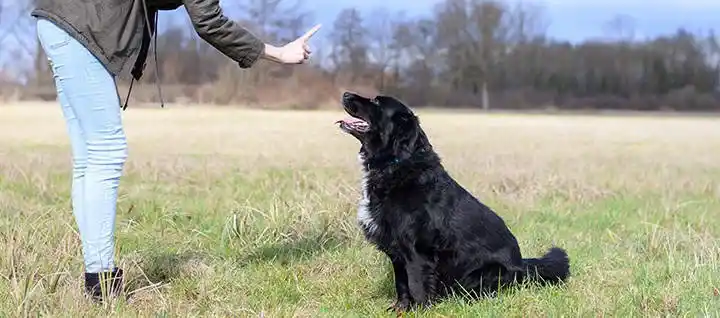
A common training method used to teach dogs to walk in a particular way, usually close to their master, is the heel command. This command is often used in conjunction with a leash and can be used to tell the dog to remain by the owner’s side or to walk straight next to them in a predetermined pattern. The “heel” command for dogs is used to instruct them to walk closely beside you on your left side.
It’s important to train your dog to heel to ensure controlled and enjoyable walks.
When teaching a dog to heel, the owner usually begins with the dog walking by their side and gives the order “heel” when the dog strays. The owner then corrects the dog by giving a verbal command or gently pulling on the leash to get it back into the appropriate posture. The heel position requires your dog to match your pace and remain attentive to your commands.
The heel command is a cornerstone of basic obedience training and a priceless resource for pet owners. It is essential in guaranteeing the security of the dog and its owner as it keeps the dog from going too far or getting into potentially hazardous circumstances. Heeling also teaches the dog to stay near its owner and ask for advice, which strengthens the link between the dog and the owner. When utilizing this command, consistency is essential, and rewarding the dog for following it helps hasten their learning process.
Proper positioning for heeling
More specifically, visualize an imaginary line that passes through your hip, passes through your shoulder, and ends at your heel. This line should ideally go from the front of your dog’s shoulder to the back of their ear. You may be able to adapt and find the most comfortable position for both of you, depending on how long your dog’s neck is. Dog heel position should match your pace and respond to your cues and movements.
- Training your dog to heel involves teaching them to walk closely beside you on a loose leash.
Preparation for Heel Training
Making the required preparations before starting heel training is essential. These include choosing the right tools and making sure the dog and the teacher are prepared for the training sessions. A concentrated mentality and the appropriate equipment are essential for attaining favorable training results.
- To teach a dog effectively, break down the training into small, manageable steps.
- By training your dog to heel, you establish yourself as the leader and promote good leash manners.
Choosing the Correct Equipment
The cornerstone of successful heel training is the selection of appropriate equipment. Selecting a collar or harness that fits properly is crucial to ensuring the dog is comfortable and giving the trainer enough control. The breed and temperament of the dog may play a role in the choice between a collar and a harness. Standard leash lengths of 4 to 6 feet are advised to provide the best possible mobility and control.
The material of the leash should also be pleasant to handle and long-lasting. A loose leash allows your dog to have freedom of movement while still staying connected to you. Leash manners refer to a dog’s behavior and conduct while walking on a leash.
Practicing good leash manners and obedience commands during dog walking promotes a well-behaved and enjoyable experience.
Consistent training sessions and positive reinforcement are key to successfully teaching your dog to heel.
- Collars: They should be comfortably tight but not painful.
- Harnesses: Perfect for dogs who pull a lot or have respiratory problems
- Leashes: Typically length, composed of sturdy materials
Both Mental and Physical Readiness
Before starting heel training, the dog and the teacher should be psychologically and physically ready. Training sessions should be planned during a period when the dog is attentive but not overly eager. Since consistency is essential, teaching should be included in everyday activities to help the dog anticipate and comprehend expectations.
To promote desired behavior, trainers should use positive reinforcement strategies like giving rewards and praise. Every training session should be lengthy enough to reinforce learning but short enough to keep the dog’s interest.
Training your dog to heel not only promotes better leash manners but also strengthens the bond between you and your furry companion.
Training sessions: Regular, succinct, and interesting
- Consistent Use of Praise and Treats as Positive Reinforcement
- You may create the conditions for a more effective and seamless heel training session by making sure you are well-prepared.

Teaching the Position of the Heel
A dog must be trained to constantly stay by your left side, follow your pace, and pay attention to your directions to be taught to heel. The heel position may become a smooth and automatic aspect of your walks with your dog if you practice it frequently and use positive reinforcement tactics. It’s important for your dog to pay attention to you during training sessions for effective communication.
Telling a dog to heel is a command used to instruct them to walk closely by your side. Heel walks involve training your dog to walk closely beside you on a loose leash. Train your dog to heel for controlled walks.
Starting the Training Process
Choose a distraction-free setting before starting to teach your dog to sit in the heel position. To keep your dog entertained, arm yourself with a high-quality leash and some tasty goodies. Since the heel order is often given from the left side, start with your dog on the left side of you. With your left hand, hold the leash, giving it just enough slack to be comfortable but not enough to allow your dog to wander off.
- Make eye contact and focus on your dog to reaffirm your authority as the pack leader.
- Use a command that is both clear and constant, such as “Heel,” so that your dog learns to associate the word with the correct posture.
- Encourage your dog to walk at the same speed as you and to stay in line with your left leg.
- Start training your dog to heel in a low-distraction environment.
Enhancing the Role
When your dog learns to respond to the word “heel,” hone their reaction with targeted training:
- When your dog stays in the heel position for a brief period, give them praise and high-value goodies as a reward.
- The amount of time your dog must spend in the heel posture before being rewarded should be gradually increased.
- Stress the value of maintaining your distance from the left side without yanking on the leash, and if needed, provide mild corrections.
- Your dog may learn to heel, making walks enjoyable and under control, with patience and constant effort.
- Train your dog to walk closely beside you.

Using positive reinforcement techniques
Making Use of Lures and Rewards
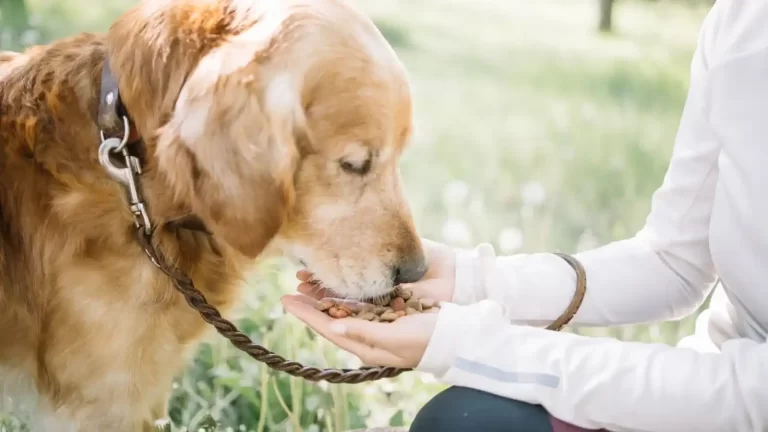
Using a food or toy as an incentive, the dog is guided into the appropriate position as part of the enticing technique. Holding the lure close to the dog’s nose at first will let you shift it gradually in the direction you want them to go. Give the dog the lure as a treat after they are in the proper heeling posture.
This method reinforces the behavior and promotes repetition by helping the dog link the heel posture to the lure and the ensuing reward. Dog treats are a popular and effective tool for rewarding and motivating your furry friend during training.
Regularity and Repetition
Consistency is crucial when training your dog to ensure they understand and retain the desired behaviors. Repetition and consistent implementation of commands are essential for successful dog training. Every instruction should be given consistently and in the same way each time, including the heel cue.
To make sure the behavior is consistent, use a clicker to note the activity as it happens. To reinforce the desired behavior, practice the cue often in a variety of settings and consistently refocus the dog’s attention on the job at hand during training sessions.
Troubleshooting Challenges
The heel command in dog training can be challenging due to distractions, leash pulling, timing of reinforcement, lack of engagement, and physical limitations. Distractions can make it difficult for dogs to maintain the heel position, while leash pulling can make it difficult for them to resist wandering off or pulling on the leash.
Proper timing of rewards is crucial for reinforcing desired behavior, and inconsistent or late rewards can lead to confusion or loss of motivation. Some dogs may struggle to stay engaged in the training process, and physical limitations may make it more difficult for them to maintain the heel position for extended periods. Overcoming these challenges requires patience, consistency, and positive reinforcement.
Conclusion
Being able to teach your puppy to “heel” is a big accomplishment and one of the trickier commands to learn. As with any puppy training, “heel” training requires a lot of patience and consistency. You should keep your puppy’s training sessions to fifteen minutes a day, working your way up from simple obedience instructions to more complex “heel” activities including turns. You may push your puppy even harder as they mature and learns to manage distractions by exposing them to various practice scenarios.
FAQs about Train a Dog to Heel
Torsion Intelligence 2026
Wind up your cognitive power for the 2026 screening. Access verified Verbal and Non-Verbal reasoning banks for Pakistan Army, Navy, and PAF officer selection.
Army Navy PAF Success Hub
The 2026 high-tension core for military preparation. Download spring-verified PDF past papers and master ISSB and Cadet College entrance exams with kinetic focus.
Career Matrix & Experience
You May see More Updates